
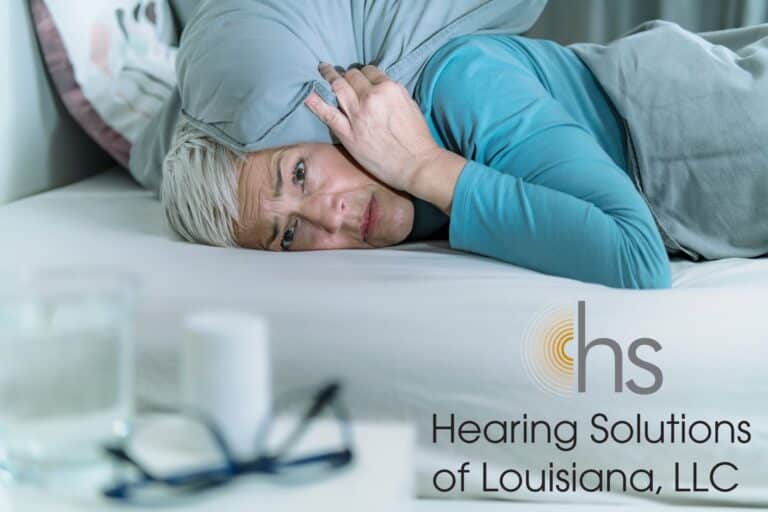
Every day sounds are part of life—from conversations and running water to traffic and household appliances. But for some individuals, these ordinary sounds can become uncomfortable, overwhelming, or even painful. This condition, known as sound sensitivity, can significantly impact daily life and emotional well-being.
One of the most common forms of sound sensitivity is hyperacusis, a hearing condition that causes increased sensitivity to normal environmental sounds. Understanding hyperacusis is the first step toward finding relief and improving your overall quality of life.
What Is Hyperacusis?
Hyperacusis is a condition in which the brain perceives everyday sounds as excessively loud or distressing. Unlike hearing loss, which reduces sound perception, hyperacusis heightens sensitivity to sound intensity.
People with hyperacusis may struggle with sounds that others consider normal, including:
- Running water
- Clinking dishes
- Traffic noise
- Vacuum cleaners
- Crowded restaurants
- Loud conversations
For some individuals, these sounds can trigger discomfort, ear pain, anxiety, or feelings of pressure in the ears.
Common Symptoms of Hyperacusis
Symptoms can vary from person to person but often include:
- Increased sensitivity to everyday sounds
- Pain or discomfort from moderate noise
- Feeling overwhelmed in noisy environments
- Ear pressure or fullness
- Anxiety related to sound exposure
- Avoidance of social settings or public places
Because hyperacusis affects both physical comfort and emotional health, early diagnosis and management are important.
Causes and Risk Factors
Hyperacusis can develop for several reasons. In many cases, it is linked to damage or changes within the auditory system.
Common Causes of Hyperacusis
Several factors may contribute to sound sensitivity, including:
- Exposure to loud noise
- Head or ear injuries
- Migraines
- Ear infections
- Neurological conditions
- Lyme disease
- Stress and anxiety disorders
In some individuals, hyperacusis may develop alongside tinnitus or hearing loss.
Who Is Most at Risk?
While hyperacusis can affect people of any age, certain groups may face higher risks, including:
- Adults over 60
- Individuals with hearing damage
- Those with chronic migraines
- People frequently exposed to loud environments
- Individuals recovering from head trauma
Understanding the underlying cause is essential for developing an effective treatment plan.
How Hyperacusis Affects Daily Life
Living with hyperacusis can make everyday situations difficult. Activities like grocery shopping, dining out, or attending family gatherings may become stressful or exhausting.
Emotional and Social Impact
The condition often affects more than hearing alone. Many individuals experience:
- Increased stress and anxiety
- Difficulty concentrating
- Sleep disturbances
- Social withdrawal
- Reduced quality of life
Because sound sensitivity can interfere with communication and comfort, professional support is often necessary to help individuals regain confidence in daily environments.
Treatment and Management Options
Although hyperacusis can be challenging, several treatment options can help reduce symptoms and improve comfort.
Sound Therapy
Sound therapy is one of the most common approaches for managing hyperacusis. This treatment gradually introduces low-level sounds to help the auditory system become less sensitive over time.
Benefits of sound therapy may include:
- Reduced sound sensitivity
- Improved sound tolerance
- Less anxiety around noise exposure
Counseling and Support
Counseling can help individuals cope with the emotional stress associated with hyperacusis. Learning relaxation techniques and sound management strategies often improves overall outcomes.
Lifestyle Adjustments
Simple lifestyle changes can also make a significant difference, such as:
- Limiting exposure to excessively loud environments
- Using hearing protection appropriately
- Managing stress levels
- Creating quieter home environments
It’s important to avoid overusing earplugs in safe environments, as constant silence can sometimes increase sound sensitivity further.
How Hearing Solutions of Louisiana Can Help
At Hearing Solutions of Louisiana, we understand how overwhelming hyperacusis can feel. Our experienced hearing care professionals provide personalized evaluations and treatment recommendations designed to help you regain comfort and confidence.
Our services include:
- Comprehensive hearing evaluations
- Hyperacusis assessments
- Customized sound therapy solutions
- Hearing protection recommendations
- Ongoing hearing care support
We work closely with each patient to create individualized treatment plans that address their unique hearing concerns and lifestyle needs.
Take the First Step Toward Relief
Living with sound sensitivity doesn’t have to control your life. With proper evaluation and personalized care, many individuals experience significant improvement in their comfort and hearing health.
If you’re experiencing symptoms of hyperacusis or increased sound sensitivity, contact Hearing Solutions of Louisiana today to schedule a consultation. Our caring team is here to help you find relief and reconnect comfortably with the sounds of everyday life.